Mother-Artist

The actual physical practice of creating, for me, feels like a threshold between motherhood and art. In this liminal space Iโ€™m not trying to make people like my art or even feel something towards me. Rather, itโ€™s where I unlock the trapdoor inside myself behind which I keep all the hidden things I know to be true. The goal of creation is, for me, to be pulled into that liminal space and to dwell within the flow of it. Itโ€™s ๐˜ฉ๐˜ฆ๐˜ณ๐˜ฆ where I discover who I am and what I think. ๐˜๐˜ฆ๐˜ณ๐˜ฆ where I grapple with questions and sit in the bewilderment of unknowing. ๐˜๐˜ฆ๐˜ณ๐˜ฆ where the thoughts too tender for this world can live.

If you look at the etymology of the word threshold, the first part of the word, ๐˜ต๐˜ฉ๐˜ณ๐˜ฆ๐˜ด๐˜ฉ, comes from the old English: therscan, ๐˜ต๐˜ฐ ๐˜ต๐˜ฉ๐˜ณ๐˜ฆ๐˜ด๐˜ฉ, meaning ๐˜ต๐˜ฐ ๐˜ต๐˜ณ๐˜ฆ๐˜ข๐˜ฅ, ๐˜ฐ๐˜ณ ๐˜ต๐˜ณ๐˜ข๐˜ฎ๐˜ฑ๐˜ญ๐˜ฆ like the sifting of grain by stomping or beating. The second part of the compound, ๐˜ฉ๐˜ฐ๐˜ญ๐˜ฅ, originally meant ๐˜ข ๐˜ฑ๐˜ญ๐˜ข๐˜ค๐˜ฆ ๐˜ฐ๐˜ง ๐˜ณ๐˜ฆ๐˜ง๐˜ถ๐˜จ๐˜ฆ or ๐˜ข ๐˜ฉ๐˜ข๐˜ท๐˜ฆ๐˜ฏ.

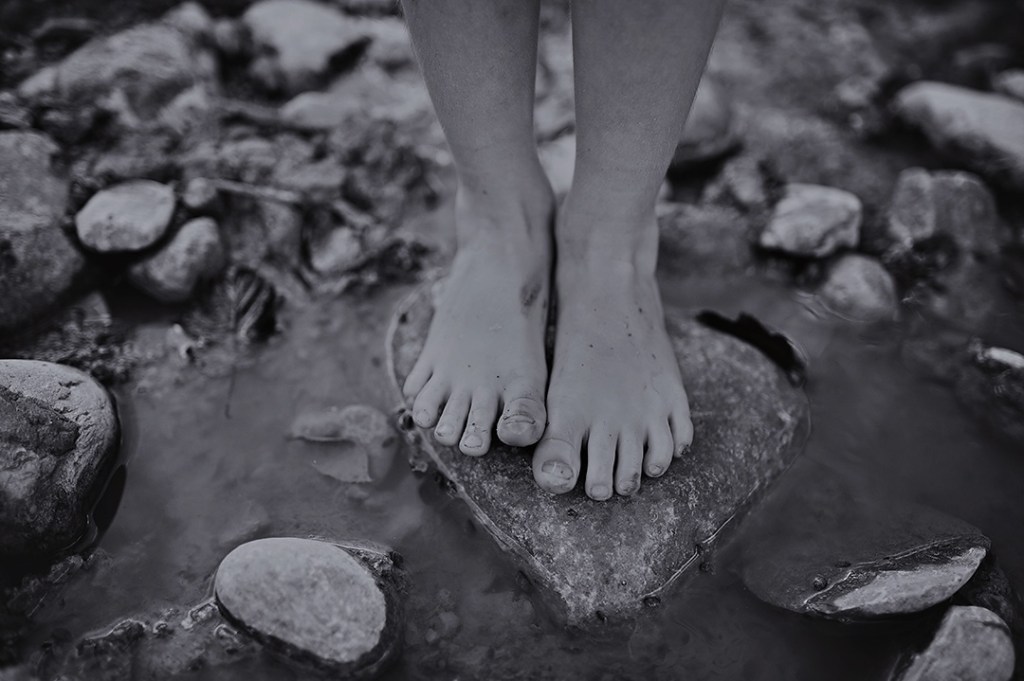
I vacillate between feeling contented in my role as a mother and stifled by not being able to tend to my creativity as the need arises. I straddle the divide between mother and creative, standing with one foot on either side of the thresholdโ€”never fully embodying either role.

In our culture weโ€™re told to consummate instead of contemplate, produce instead of ponder. Unless weโ€™re being paid, penning words to paper or spreading paint on canvas isnโ€™t valued as a constructive use of time. Our identities are reduced to ๐˜ธ๐˜ฉ๐˜ข๐˜ต ๐˜ธ๐˜ฆ ๐˜ฅ๐˜ฐ rather than ๐˜ธ๐˜ฉ๐˜ฐ ๐˜ธ๐˜ฆ ๐˜ข๐˜ณ๐˜ฆ. But ๐˜ธ๐˜ฉ๐˜ฐ ๐˜ธ๐˜ฆ ๐˜ข๐˜ณ๐˜ฆ is, like creativity, fluid. Iโ€™m leaning in to the ideas that itโ€™s possible to live ๐˜ช๐˜ฏ the flow of creativity, to create without having to qualify, and to be non-productive to the mechanisms of North American society. There arenโ€™t many things in our culture that we hold sacred, but I think the process of artโ€”not the commodification of itโ€”is something worth sanctifying.

The pull towards my children is visceral, but so is my desire to tend to my creativity. Sometimes, I worry that my role as ๐˜”๐˜ฐ๐˜ต๐˜ฉ๐˜ฆ๐˜ณ gets trampled as I step over to the haven of the empty page; however, I know the opposite is also true. Most often, once Iโ€™ve threshed out the minutiae of motherhood on the page I return to my children with a renewed sense of peace, and, in turn, tending to their needs also becomes a place of refuge. I know itโ€™s possible to find the same haven in my life as a mother that I embody in my practice as an artist.

Hereโ€™s the thing, I love my children with a ferocity beyond anything I have ever known, but I also love the deepest parts of myself which remain unknown to them. And I think, maybe, this is ok. Writing is, after all, one of the few practices which welcomes paradox, which holds the unsayable and irreducible. At its best, the blank page is a place of bewilderment, and I think this is also true of motherhood. In both places we are called to surrender what we think we know; in both places we must learn the subtle art of letting go.

My friend Joy calls creativity โ€œ๐˜ต๐˜ฉ๐˜ฆ ๐˜ฎ๐˜ฐ๐˜ด๐˜ต ๐˜ต๐˜ณ๐˜ถ๐˜ฆ ๐˜ข๐˜ค๐˜ต ๐˜ฐ๐˜ง ๐˜ฎ๐˜ฐ๐˜ต๐˜ฉ๐˜ฆ๐˜ณ๐˜ช๐˜ฏ๐˜จ ๐˜ฐ๐˜ถ๐˜ณ๐˜ด๐˜ฆ๐˜ญ๐˜ท๐˜ฆ๐˜ด.โ€ This rings true to me. When we choose to tend to our creativity with the same gentleness we offer to our children, the beauty we stand to witness is the balm we absorb into our bodies, a balm essential for surviving this world.

Maybe then, creativity isnโ€™t so much a threshold as it is the fulcrum on which we balance both identities: mother ๐˜ข๐˜ฏ๐˜ฅ artistโ€”binaries we cannot move beyond unless we first move throughโ€”flowing between identities until they are blurred and indistinguishable from one another. ๐˜”๐˜ฐ๐˜ต๐˜ฉ๐˜ฆ๐˜ณ-๐˜ˆ๐˜ณ๐˜ต๐˜ช๐˜ด๐˜ต. This feels more fluid to me.

So ๐˜ต๐˜ฉ๐˜ช๐˜ด is where Iโ€™m choosing to live: on both sides ๐˜ข๐˜ฏ๐˜ฅ in-between, one hand on the heart of motherhood, the other on the pulse of creativity, holding space to sense the new shape of me as it shifts and changes and emerges new again and again and again.
This Morning

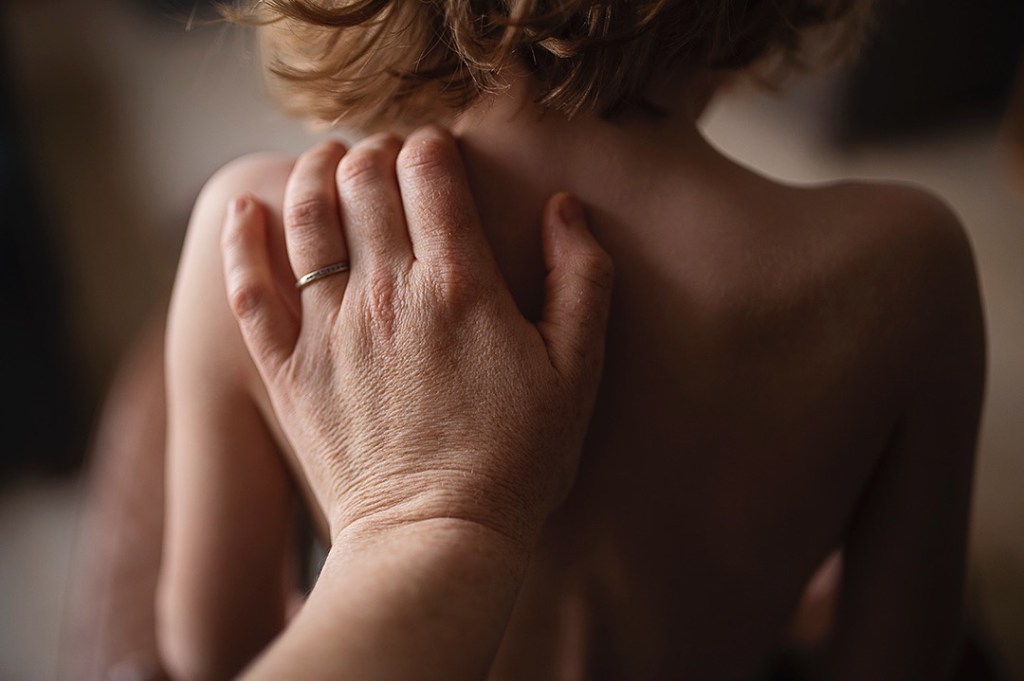
This morning, my six year old son sits shirtless on the kitchen counter. I tug a brush through his tangled blonde hair, pausing to comb conditioner through the particularly stubborn knots.๐˜ž๐˜ณ๐˜ช๐˜ต๐˜ฆ ๐˜ฎ๐˜บ ๐˜ฏ๐˜ข๐˜ฎ๐˜ฆ ๐˜ฐ๐˜ฏ ๐˜ฎ๐˜บ ๐˜ฃ๐˜ข๐˜ค๐˜ฌ, ๐˜”๐˜ข๐˜ฎ๐˜ข, he asks as I finish with his hair, placing the brush on the scarred wooden table.

With my index finger, I trace his name across the smooth skin between the small kites of his shoulder-blades: ๐˜Š-๐˜ฉ-๐˜ข-๐˜ณ-๐˜ญ-๐˜ช-๐˜ฆ. It means ๐˜ง๐˜ณ๐˜ฆ๐˜ฆ ๐˜ฎ๐˜ข๐˜ฏ. Itโ€™s a name with room for a boy to grow into.

Later, I will read about mothers in Ukraine penning their childrenโ€™s names across their backs in indelible ink. ๐˜๐˜ตโ€™๐˜ด ๐˜ด๐˜ฐ ๐˜ด๐˜ฉ๐˜ฆ ๐˜ธ๐˜ช๐˜ญ๐˜ญ ๐˜ฌ๐˜ฏ๐˜ฐ๐˜ธ ๐˜ธ๐˜ฉ๐˜ฐ ๐˜ด๐˜ฉ๐˜ฆ ๐˜ช๐˜ด, one mother laments, ๐˜ช๐˜ง ๐˜ ๐˜ข๐˜ฎ ๐˜ฏ๐˜ฐ๐˜ต ๐˜ฉ๐˜ฆ๐˜ณ๐˜ฆ ๐˜ต๐˜ฐ ๐˜ต๐˜ฆ๐˜ญ๐˜ญ ๐˜ฉ๐˜ฆ๐˜ณ.

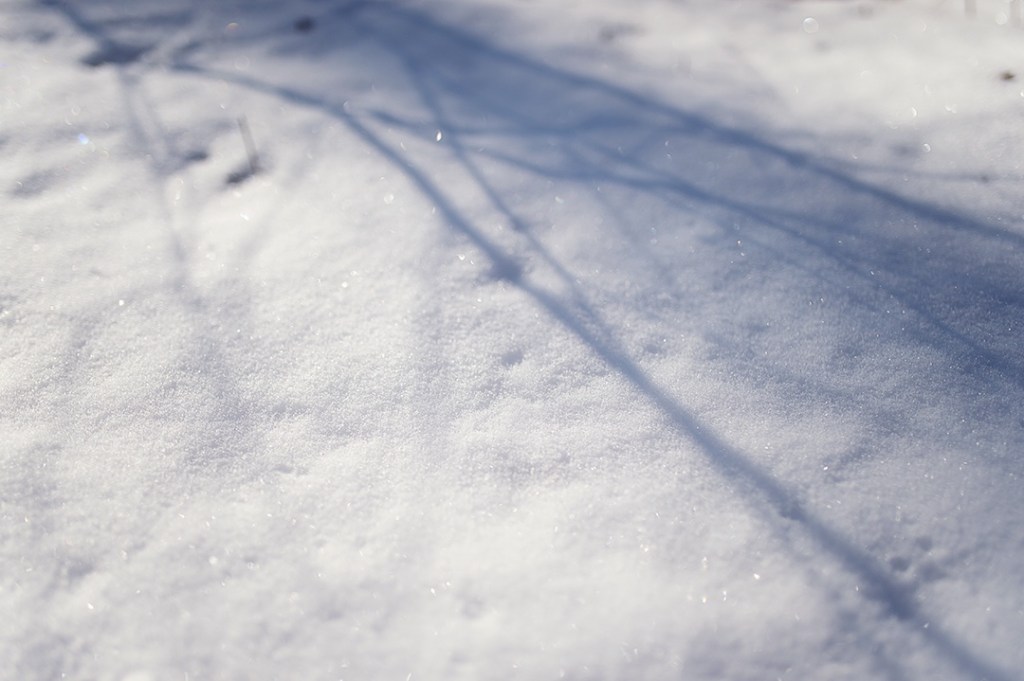
But now, I stand with my son in the kitchen, the smell of freshly ground coffee mingling with the damp coconut scent of his hair. My fingers splay across his spine and I feel the heat of his small, hot body penetrate my palm. Outside the window, red buds burgeon on the spindly maple despite the snow still clinging to its branches.

I do not tell my son about the war. ๐˜๐˜ฆ ๐˜ช๐˜ด ๐˜ด๐˜ฐ ๐˜ญ๐˜ช๐˜ต๐˜ต๐˜ญ๐˜ฆ, I reason, ๐˜ด๐˜ต๐˜ช๐˜ญ๐˜ญ ๐˜ช๐˜ฏ๐˜ฏ๐˜ฐ๐˜ค๐˜ฆ๐˜ฏ๐˜ต. He knows only safety, not the chaos of tanks and bombs nor the atrocity of nameless bodies buried in mass graves. He knows only ๐˜ต๐˜ฉ๐˜ช๐˜ด world. Not the ๐˜ฐ๐˜ต๐˜ฉ๐˜ฆ๐˜ณ world where children are separated from their mothers, where bullets can penetrate even the slightest chests, shatter the smallest skulls.

I help my son dress in his favourite button up shirt. My thumbs fumble clumsily with tiny buttonholes and even tinier buttons. I smooth his collar, zip his jacket, pull a backpack across his narrow shoulders.

I close the door behind him as he makes his way to the end of the laneway. Through the kitchen window, I watch him board the school bus, this boy who I will (touch wood) watch grow into a manโ€”๐˜ถ๐˜ฏ๐˜ฅ๐˜ฆ๐˜ด๐˜ฆ๐˜ณ๐˜ท๐˜ฆ๐˜ฅ ๐˜ง๐˜ณ๐˜ฆ๐˜ฆ๐˜ฅ๐˜ฐ๐˜ฎ ๐˜ธ๐˜ณ๐˜ช๐˜ต๐˜ต๐˜ฆ๐˜ฏ ๐˜ข๐˜ค๐˜ณ๐˜ฐ๐˜ด๐˜ด ๐˜ฉ๐˜ช๐˜ด ๐˜ฃ๐˜ข๐˜ค๐˜ฌ.

Anahata

When the news of the world is heavy, and the burden of belonging to this place feels like too much to bear, when this phone is a stone in my pocket, and grief is the shaky ground undergirding everything, I come to the woods and stand among the White cedars. Here, instead of weighing me down like a pall of wet wool, the heaviness stills meโ€”itโ€™s a hand on my shoulder pushing me to go deeper into my heart-space. ๐˜ˆ๐˜ฏ๐˜ข๐˜ฉ๐˜ข๐˜ต๐˜ข, the yogis call it, meaning ๐˜ถ๐˜ฏ๐˜ด๐˜ต๐˜ณ๐˜ถ๐˜ค๐˜ฌ ๐˜ค๐˜ฉ๐˜ฐ๐˜ณ๐˜ฅ. Itโ€™s the stillness between heartbeats, the rest before motion, the pause between breaths. I close my eyes and bring my hands together at my heart. A steady mist of rain dampens my face. I inhale and, for a moment, all is still. Still, I worry about the world, about what weโ€™ve become. At once there are dozens of Tundra Swans soaring above the cedars. I hear the wind whistling through their wings before I even open my eyes. Their clear ululation saturates the soft cavity of my chest, sates the yawning maw of sorrow wholly. Holy and familiar they call like the pealing of church bells, like a lullaby hummed in the dark. I watch them retreat beyond the canopy of naked trees; white wings splayed open, wet with the weight of water. Their feathered bodies fade until they are nothing more than a thrumming ellipses punctuating the sky. I close my eyes again. This time I let the stillness expand to include wingbeat and birdsong. I exhale fully and in the pause before the next breath, itโ€™s as if my own wet wings have begun to unfurl. A buoyancy sidles up to the heaviness and I think, maybe, itโ€™s hope. I inhale, filling my lungs and expanding my heart-space. ๐˜ˆ๐˜ฏ๐˜ข๐˜ฉ๐˜ข๐˜ต๐˜ข. For one moment, ๐˜ญ๐˜ฆ๐˜ต ๐˜ต๐˜ฉ๐˜ช๐˜ด ๐˜ฃ๐˜ฆ ๐˜ฆ๐˜ฏ๐˜ฐ๐˜ถ๐˜จ๐˜ฉ.

God, So Small in a Heart

โ€œ๐˜ ๐˜ฅ๐˜ฐ๐˜ฏโ€™๐˜ต ๐˜ฌ๐˜ฏ๐˜ฐ๐˜ธ ๐˜ฆ๐˜น๐˜ข๐˜ค๐˜ต๐˜ญ๐˜บ ๐˜ธ๐˜ฉ๐˜ข๐˜ต ๐˜ข ๐˜ฑ๐˜ณ๐˜ข๐˜บ๐˜ฆ๐˜ณ ๐˜ช๐˜ด.โ€ ~Mary Oliver

It was nighttime when we lay in your twin bed, your slight, sturdy body tucked into the soft curves of my own.

โ€œ๐˜ ๐˜ธ๐˜ช๐˜ด๐˜ฉ ๐˜บ๐˜ฐ๐˜ถ ๐˜ฏ๐˜ข๐˜ฎ๐˜ฆ๐˜ฅ ๐˜ฎ๐˜บ ๐˜ฉ๐˜ข๐˜ฏ๐˜ฅ๐˜ด ๐˜ฐ๐˜ฏ ๐˜ต๐˜ฉ๐˜ฆ ๐˜ฏ๐˜ช๐˜จ๐˜ฉ๐˜ต ๐˜ ๐˜ธ๐˜ข๐˜ด ๐˜ฃ๐˜ฐ๐˜ณ๐˜ฏ,โ€ you say, your small voice permeating the darkness. โ€œ๐˜•๐˜ฐ๐˜ธ ๐˜ ๐˜ฉ๐˜ข๐˜ท๐˜ฆ ๐˜ต๐˜ฐ ๐˜ฏ๐˜ข๐˜ฎ๐˜ฆ ๐˜ต๐˜ฉ๐˜ฆ๐˜ฎ ๐˜ฎ๐˜บ๐˜ด๐˜ฆ๐˜ญ๐˜ง.โ€

โ€œ๐˜ž๐˜ฉ๐˜ข๐˜ต ๐˜ธ๐˜ช๐˜ญ๐˜ญ ๐˜บ๐˜ฐ๐˜ถ ๐˜ค๐˜ข๐˜ญ๐˜ญ ๐˜ต๐˜ฉ๐˜ฆ๐˜ฎ?โ€ I ask, tracing my fingers across your brow.

โ€œ๐˜Ž๐˜ฐ๐˜ฅ,โ€ you say. โ€œ๐˜‰๐˜ฐ๐˜ต๐˜ฉ ๐˜ฐ๐˜ง ๐˜ต๐˜ฉ๐˜ฆ๐˜ฎ, ๐˜Ž๐˜ฐ๐˜ฅ.โ€ You sandwich my face between your small, sweaty palms. Our foreheads touch. I can feel your hot breath on my mouth.

โ€œ๐˜๐˜ด๐˜ฏโ€™๐˜ต ๐˜ต๐˜ฉ๐˜ข๐˜ต ๐˜ฏ๐˜ข๐˜ฎ๐˜ฆ ๐˜ต๐˜ข๐˜ฌ๐˜ฆ๐˜ฏ?โ€ I ask.

โ€œ๐˜•๐˜ฐ๐˜ต ๐˜ต๐˜ฉ๐˜ข๐˜ต ๐˜Ž๐˜ฐ๐˜ฅ,โ€ you sigh. โ€œ๐˜›๐˜ฉ๐˜ฆ ๐˜ฐ๐˜ฏ๐˜ฆ ๐˜ด๐˜ฐ ๐˜ด๐˜ฎ๐˜ข๐˜ญ๐˜ญ ๐˜ช๐˜ฏ ๐˜ฎ๐˜บ ๐˜ฉ๐˜ฆ๐˜ข๐˜ณ๐˜ต ๐˜ธ๐˜ฉ๐˜ฐ ๐˜ธ๐˜ข๐˜ฏ๐˜ต๐˜ด ๐˜ต๐˜ฐ ๐˜ต๐˜ฐ๐˜ถ๐˜ค๐˜ฉ ๐˜ต๐˜ฉ๐˜ช๐˜ฏ๐˜จ๐˜ด, ๐˜ต๐˜ฐ๐˜ฐ.โ€

In the morning, we walk in the woods. The winter sky is unusually clear and blue; the ghost of last nightโ€™s moon a slip barely visible between the canopy of naked trees.

We are quiet together, you and I. Our boots tread a path through the niveous landscape. A White Ash rasps against an ancient Bur Oak. Dark Eyed Juncos trill and tick between the frozen weeds in the creek bed.

You tug off your mittens to stroke a seedpod glistening with hoarfrost, snap the blackened, spindly stem of a Queen Anneโ€™s Lace, finger the fronds of a Phragmite feathered with snow. I resist the urge to tell you to put your mittens back on, that your fingers will freeze, for Godโ€™s sake.

Instead, I watch with wonder as you reach towards each austere beauty; your face as effulgent as newly fallen snow, your fingertips as pink as the night you were born.

๐˜ ๐˜ฅ๐˜ฐ๐˜ฏโ€™๐˜ต ๐˜ฌ๐˜ฏ๐˜ฐ๐˜ธ ๐˜ฆ๐˜น๐˜ข๐˜ค๐˜ต๐˜ญ๐˜บ ๐˜ธ๐˜ฉ๐˜ข๐˜ต ๐˜ข ๐˜ฑ๐˜ณ๐˜ข๐˜บ๐˜ฆ๐˜ณ ๐˜ช๐˜ด, but maybe this is close:

All around, the woods are alive; an open mouth ready to speak. And near the ground, God, ๐˜ด๐˜ฐ ๐˜ด๐˜ฎ๐˜ข๐˜ญ๐˜ญ ๐˜ช๐˜ฏ ๐˜ข ๐˜ฉ๐˜ฆ๐˜ข๐˜ณ๐˜ต, hearkening with the hands of a six year old boy.

Because I am Made of this Woman Whom I Love

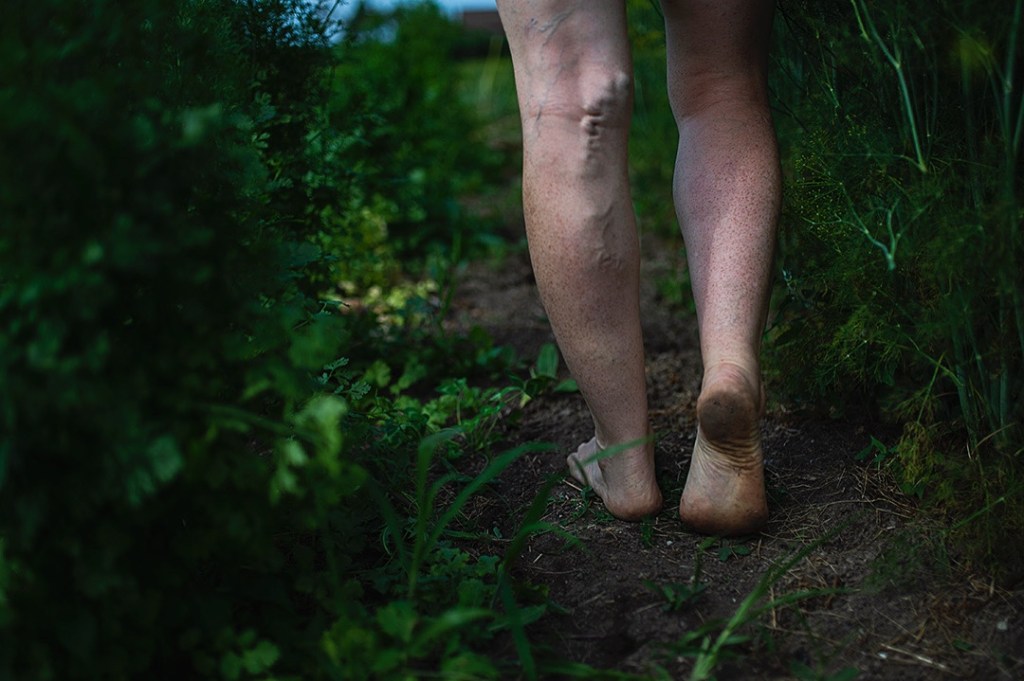
I have thick varicose veins:
tributaries of blood
twisting across the map of my body.
A matrilineal genetic inheritance:
my legs
are my motherโ€™s legs,
my grandmotherโ€™s legs.

The topography of my skin
is a blue and purple raised relief
I can trace backwards in time
until it is white and smooth with youth.

I am eleven.

I run bare-legged into Lake Huron
with my seven-year-old sister,
the waves cresting against our thighs.
We know our bodies
only as vehicles of delightโ€”
awake to the spray on our skin, the sun on our faces, the freckles spreading across our knees mapping new constellations.

My mother, her own legs hidden
beneath loose cotton pants,
watches from the shore.

As a child, my motherโ€™s legs donโ€™t even enter my thoughts. I do not think they are unsightly or that they should be deprived of the pleasure of the lake in August: they are just legs.

I love all of her: the soft skin on the
palms of her hands, the way her lips feel
pressed to my forehead,
her gentle touch as she ruffles my hair
and draws me close
wrapping my shivering body,
all knees and elbows,
in a soft, sun-bleached towel.
I love her body
the way my children love mineโ€”
like a softer extension of themselves,
a place of refuge in a world of uncertainty,
always within reach.

Now, my mind a retrospective of my mother at 39, the same age I am now: I see her youth, her eyes aglow, she is beautifulโ€”a Queenโ€”her heart-shaped face rimmed by the fading golden light of summer.

My body is made of my mother; the blood that flows through my veins first flowed through hers. Because I am made of this woman whom I love, I love this body, all of her, too.

In The Kingdom of Ordinary Time

(After Reading Marie Howeโ€™s โ€œThe Kingdom of Ordinary Timeโ€)

There are eight blank pages at the back of her book. She earned an MFA the year I was born, teaches at Columbia and has an award for โ€œsustained literary achievement.โ€

I donโ€™t have a degree. Iโ€™ve known only the twenty years of living since I dropped out of university.

Two decades of learning and unlearning, leaning in to this life of broken thingsโ€”some mended, some left behind, others grafted together to make something new, beautiful, whole.

Iโ€™ve learned how to plant some things and uproot others. Iโ€™ve known the weight of both full wombs and empty ones.

Iโ€™ve memorized the feeling of a small body pressed against my skin in the hour before the sun rises, the sky outside the bedroom window a threshold between darkness and light. And in the moments between waking and sleep, Iโ€™ve learned our skin, too, is a threshold: between souls, between what I once held inside and what no longer belongs to me.

Iโ€™ve learned, standing on my porch each night, that my heart bays to the howl of the coyote, because thereโ€™s a wild animal awakening inside me, too.

Iโ€™ve learned the smell of tomato vines beneath my fingernails, the exact taste of a golden beet, uprooted from the ground by a five year old boy, Iโ€™ve learned how to spin honey from a hive, weave tangled hair into braids, peel the skin from a peach without nicking the flesh.

I know that a mirepoix simmering on the stove smells like welcome and heat radiating from the woodstove feels like home.

And I know there is something I will learn from this (though I donโ€™t know itโ€™s meaning yet):

Yesterday, a moth flew into my open mouth in the hushed darkness.

I feel an answer fluttering in the periphery of my thoughts, and maybe these eight pages are here for me to pin it down, but perhaps there is only space for the question.

I pick up my pencil and begin to write. Here, in The Kingdom of Ordinary Time.

I donโ€™t have a degree, but I know ordinary. I am educated in the everyday.

I scratch my pencil across
the pages left empty,
graphite smeared on my left palm
like the wing dust on my tongue
when I spit the moth,
still alive,
from my mouth
and turned to face the moon.

You Donโ€™t Have to Move up and out of Your Life

You donโ€™t have to move up and out of your life
to create something new.
You just have to move
down and in.
Start with your breath.
Plant your feet on the kitchen floor.
Notice the summer heat outside the window,
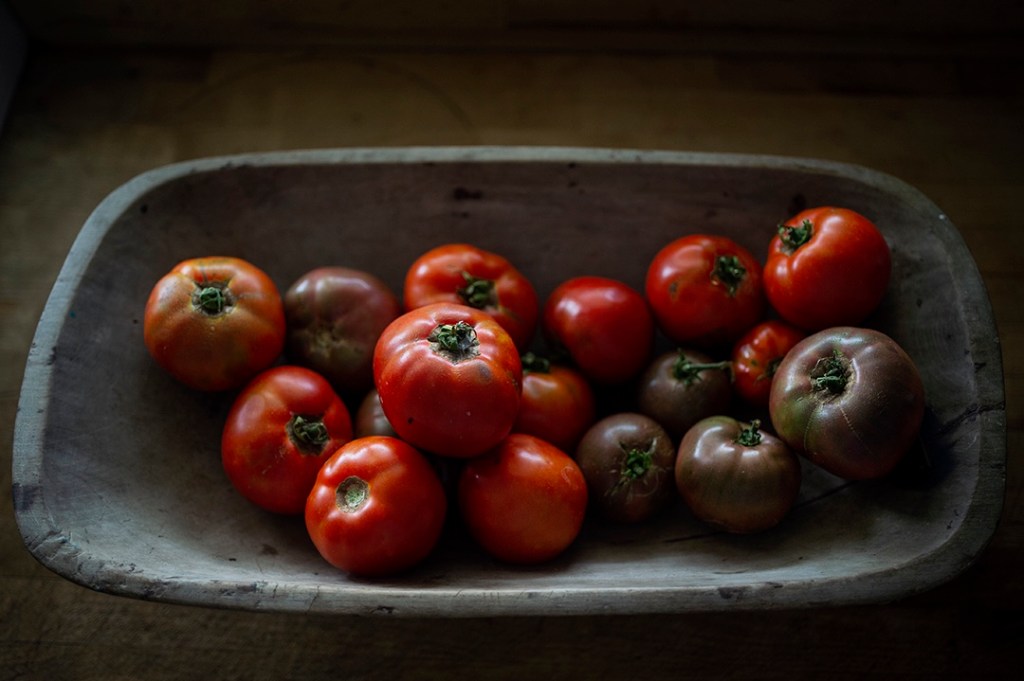
the basket of tomatoes on the counter,
their skins splitting with so much
sweetness.
Here, the silence is itโ€™s own kind of music,
pulsing past the din of the soundtrack
in your head.
Here, the silence holds the unsayable,
the irreducible.
What happens here is yours and yours alone.
This is the threshold where the veil is thin.
This is the place just beyond yourself
which evades description.
You have only
your breath,
your feet,
the window,
the basket of tomatoes,
and your presence:
a covenant of salt
tangled up with the silence.

Preserves

Weโ€™ve reached the last days of summer when the air is sticky and our vegetable gardens are at their most bountiful. And yet, with this bounty comes the whisper of autumn: cantaloupes left on the vine are composting in their row, the lettuce has all gone to seed, asters and goldenrod have popped up among the wild asparagus ferns. Soon, nothing will be left but the heartier vegetablesโ€“potatoes, leeks, kaleโ€“and weโ€™ll till the rest of the garden back into the ground.

But right now, our days are filled with tender-fleshed tomatoes. Weโ€™re popping Sungolds into our mouths, warm and ripe and straight from the vine, cutting Brandywines into thick slices and devouring them raw, peeling and simmering Black Krim and Red Vine tomatoes into sauces and preserves, jams and salsas. My bare pantry shelves are slowly filling with dozens of glass jars packed with tomatoesโ€“an ombrรฉ of yellow, orange and red.

A few days ago, I found a 125 mL jar in the very back of the pantry. The label read:โ€œHoney Sweetened Cherry Tomato Jam, Summer 2020.โ€ I cracked the seal on the jar and dipped my pinky into its sticky contents. I tentatively licked my finger. The jam tasted exactly as it should: sweet and tangy, a little bit spicy, a hint of smoked paprika. I know how much can change in a year, not one of us has escaped this lesson since Covid-19 insidiously slipped into our everyday vernacular, our everyday lives. But miraculously, the contents of this jar have remained exactly the same.

In a year from now, maybe Iโ€™ll be breaking the seal on the last jar of 2021โ€™s harvest. So much will have changed. All four of my children will be in school full time, my eldest daughter will be a teenager, my husband and I will have celebrated 15 years of marriage, Iโ€™ll have left my 30โ€™s behind, and all of us in the wider world, will hopefully have found a way to live more harmoniously with one another, to recognize connective tissue everywhere, to look into one anotherโ€™s eyes and see, not a stranger, but a part of ourselves reflected back.

So much will change, but not inside these jars lined up on my pantry shelf. They will stay the same. Like photographs, like stories written down.

These past few weeks, Iโ€™ve found myself holding on to my kids a little bit longer, saying yes to bubble tea on the way home from the library, backyard campouts with their Daddy on the trampoline, wearing bathing suits in afternoon downpours, waiting on our dirt road at dusk to catch a glimpse of the coyote pups playing in the hay field, reading just one more chapter before bed.

Iโ€™m foraging through these moments and collecting the fruit of these last days in tandem with one another and the slow rhythm of our life. Itโ€™s between my teeth, in my throat, the juice running down my chin. Iโ€™m taking in, not only the flesh, but the skin, its sweetness.

This. This is transubstantiation. 

Iโ€™m plucking this ripe and perfect fruit from the vine and filling buckets of it. Iโ€™m savoring the exact flavor of these halcyon days and Iโ€™m delaying their inevitable disappearance while I stack these moments in my heart like jars of tomatoes lining my pantry shelves.

Iโ€™m building an altar here, hoarding this embarrassment of plenty.

Iโ€™m sitting with it.

Iโ€™m letting it swell within me so when the life in my bones feels empty and hollowed out, I can fill myself with the marrow Iโ€™ve sucked from every joyful moment of this hard and holy year.

Your Heart is Not Deceitful

Your heart is not deceitful.
She cradles your inner wisdom
with infinite tenderness.
She makes space for the holy,
the ineffable.

Yet, you have been taught by this world
that you must protect her from others,
that the things you hold most dear
are the very things
you should keep hidden.

This simply is not true.

So find a string (any string will do)
and tie one end to your heart
and the other to your feet.

When you step out into the world,
donโ€™t walk back
to all the places youโ€™ve been.
Stand very still and wait to feel
her gentle tug.

Walk only where your beating heart
directs your steps.